


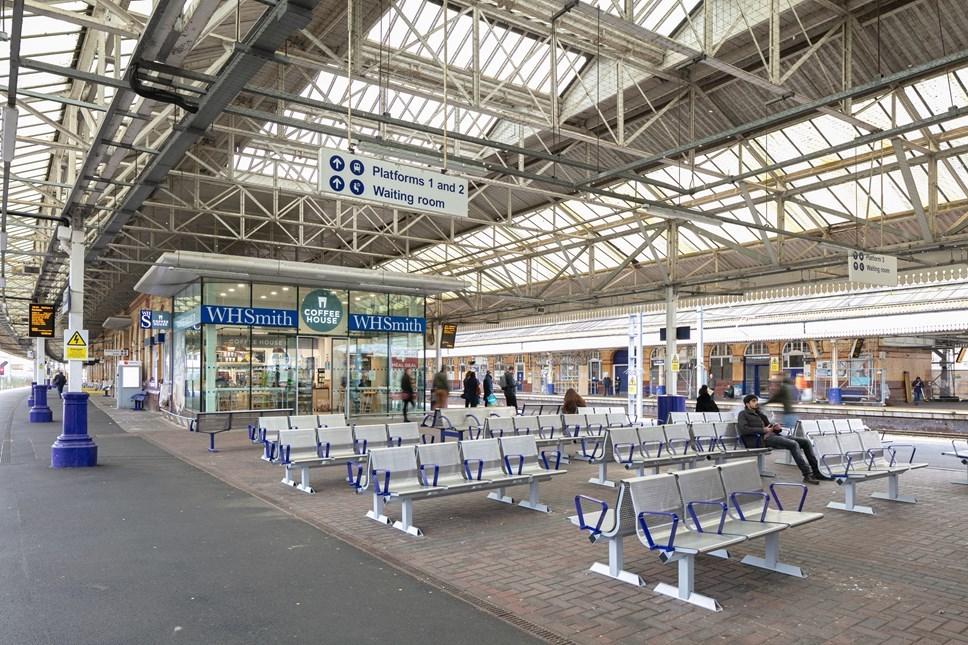


The most and least-used railway stations in Bolton during 2024 have been revealed.
Fresh figures from ranking website Ontimetrains use data to compare passengers per day based on the number of exits/entries and interchanges.
Unsurprisingly, Bolton railway station on Trinity Street is the most used with 7,431 average daily passengers in 2024.
This marks a drastic 8.5 per cent increase from 2023's figure of 6,848.

In 2014, 10,124 entries/exits were recorded a day at the station.
The current figures rank it as the UK's 189th busiest railway station.
In a very distant second place is Horwich Parkway, near Middlebrook Retail Park, with 1,391 passengers a day in 2024.
The figure is the highest passenger count recorded since the pandemic skewed figures.
You would have to go back to 2010 though to find a pre-pandemic year that had lower footfall on its platforms.
Bolton's third most-used railway station in 2024 was Bromley Cross with 723 passengers a day.
The station follows the trend of having the highest figure since the pandemic, but still failing to reach the heights of before that period, with the station teetering on the 1,000 mark before Covid-19.
Moses Gate train station was the least-used during 2024, with a mere 89 daily passengers.
While it is by no means a hive of activity during rush hour, the station does have four more passengers a day than last year on average.
The second least-busiest Bolton station is just down the road - or line - Kearsley.
Once named the worst train station in the UK for the delays, it's perhaps just as well that only 143 passengers use it daily.
Kearsley narrowly beats Farnworth to second quietest with the other station's figure of 146 daily passengers.
Both stations are marginally busier than they were in 2023.
A Northern spokesperson said: “Tens of millions of passengers travel on our services every year, to more than 500 stations in communities across the North of England.
“We always look to match service with demand by reviewing the latest data, but also realise the importance of providing transport links to people in rural areas.”


Share