




Who built the seven gates of Thebes?
The books are filled with names of kings.
Was it the kings who hauled the craggy blocks of stone?
Bolton’s industrial heritage is a story that is still told all around the town, by its streets and buildings, but also by its people.
Scattered around Victoria Square with a few further afield statues also give clues to the lives of some of the town’s most famous sons and daughters.
But more than just them, the monuments tell the story of many thousands more whose life stories are not commemorated in stone.
Their hours, days and years of work on factory floors, down mines and on the land built the platform that those the statues honour could stand on.
And it’s their descendants that live in the town they built today.
But who are the famous figures Bolton’s statues remember? And how many thousands of people had to play their parts for those stories to be told?

Samuel Crompton
Samuel Crompton (1753–1827), who stands in statue form in Nelson Square just off Bradshawgate, would knowingly or otherwise revolutionise the lives of millions.
By inventing the spinning mule in 1779 he laid the groundwork for the industrial revolution that would completely change Bolton, the country and then the world.

By 1812 there were between four and five million spinning mules in use, though Crompton himself received no royalties for his invention.

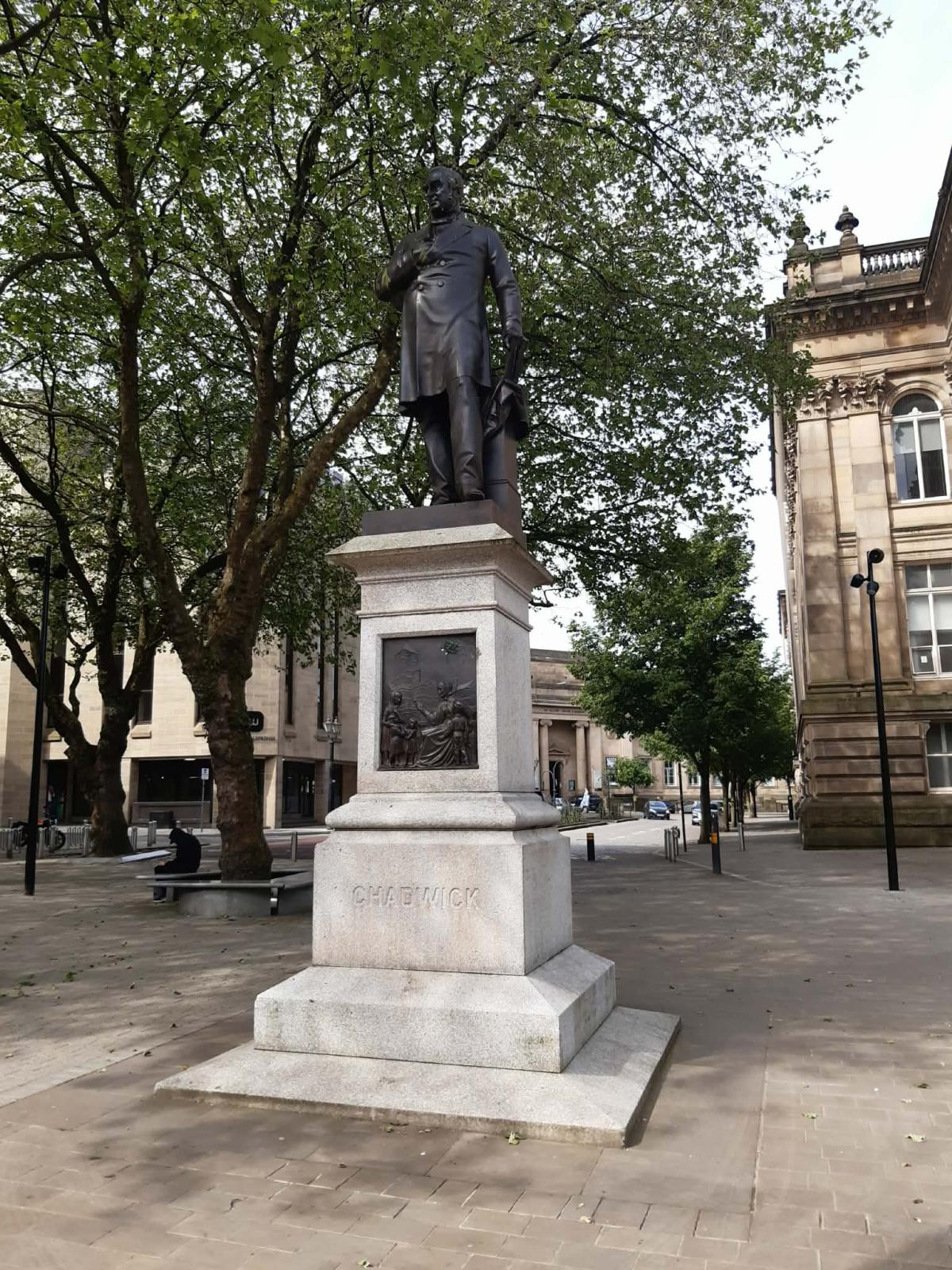
Samuel Taylor Chadwick
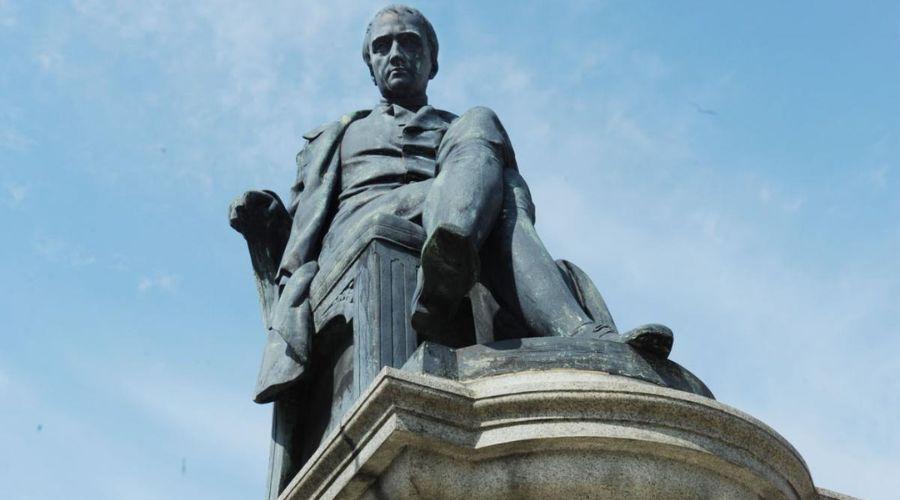
Doctor and philanthropist Samuel Taylor Chadwick (1809 – 1876) who’s statue stands in Victoria Square was well known during his life time for his works with children’s health and welfare.
One of his most enduring gifts to the town was Chadwick’s Orphanage.
But his legacy endured long after his death after he left £5,000 to Bolton Corporation for a museum of natural history on what would later become known as Queens Park.

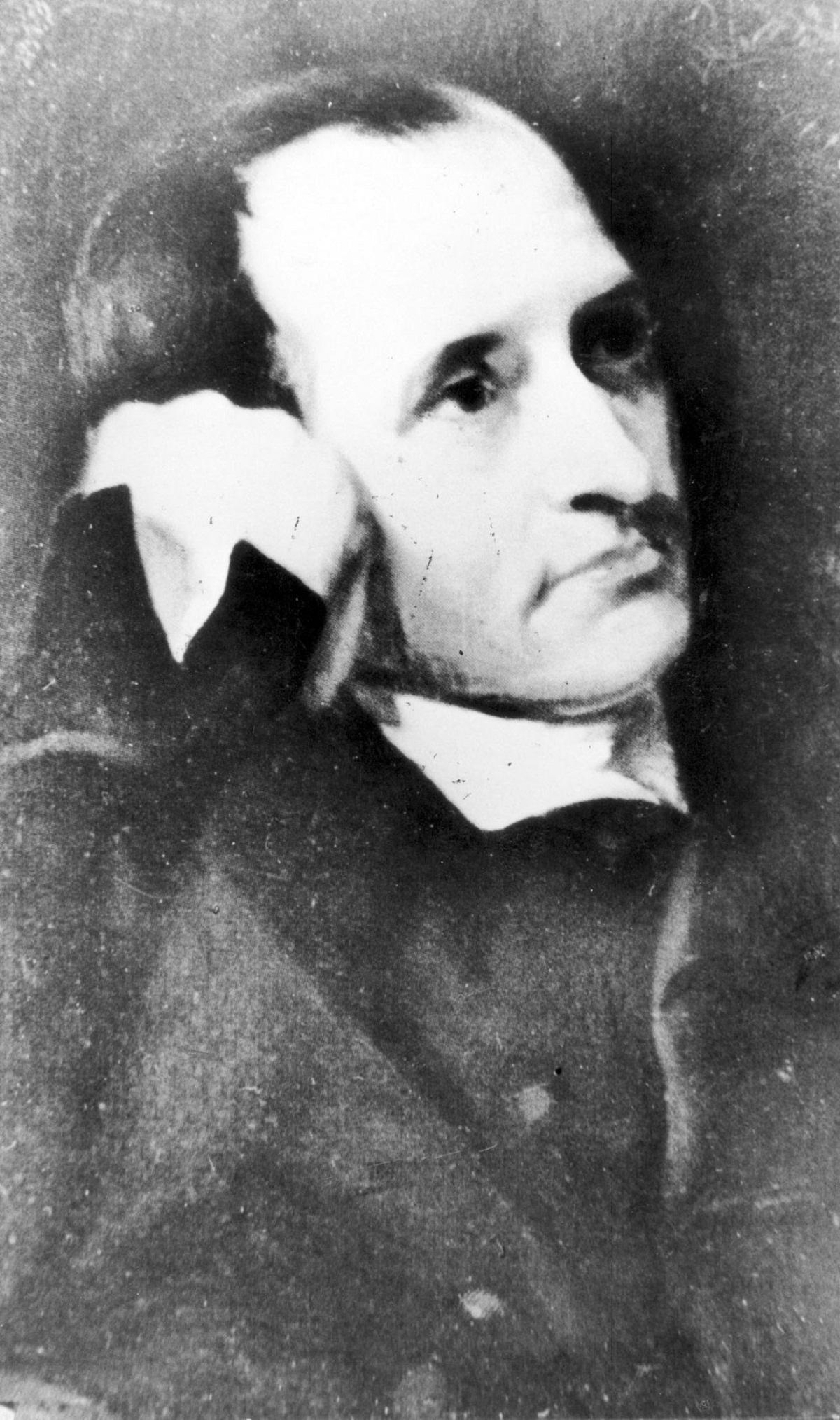
Benjamin Alfred Dobson
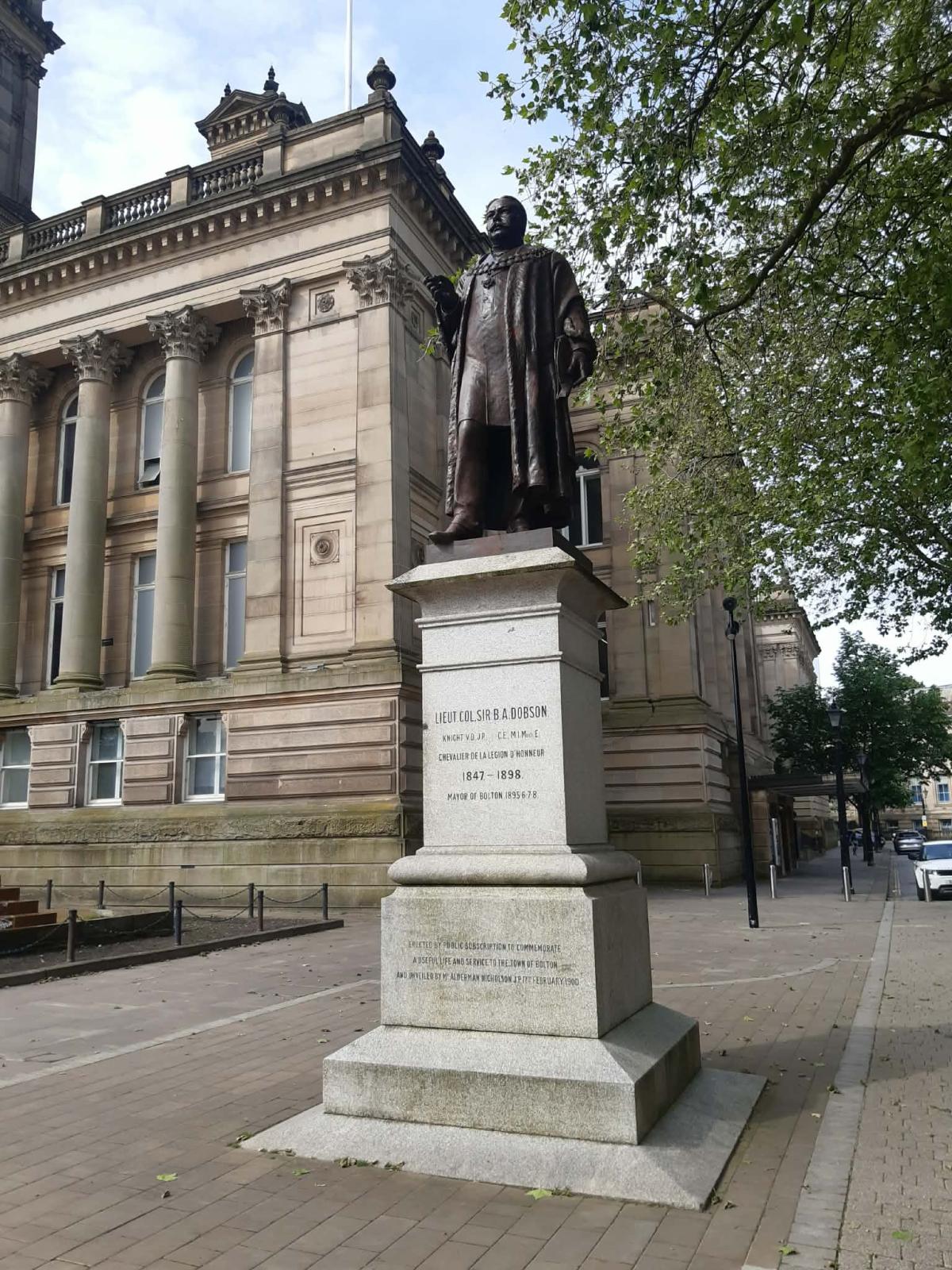
Textile manufacturer and former Mayor of Bolton Benjamin Alfred Dobson (1847 – 1898) looks out in stone form across Victoria Square today.
A huge figure in the cotton industry, Dobson was known at first as a benevolent paternal figure, as Chadwick’s Museum which he opened on Queens Park in 1884, would seem to show.
But his use of imported scab labour, known at the time as “knobsticks”, during the engineering strike of 1887 darkened his reputation.
The bitter dispute saw troops deployed on the streets of Bolton as engineering workers turned out against wage cuts, while contributions to the engineers cause came in from as far afield as the USA, Russia and Australia.

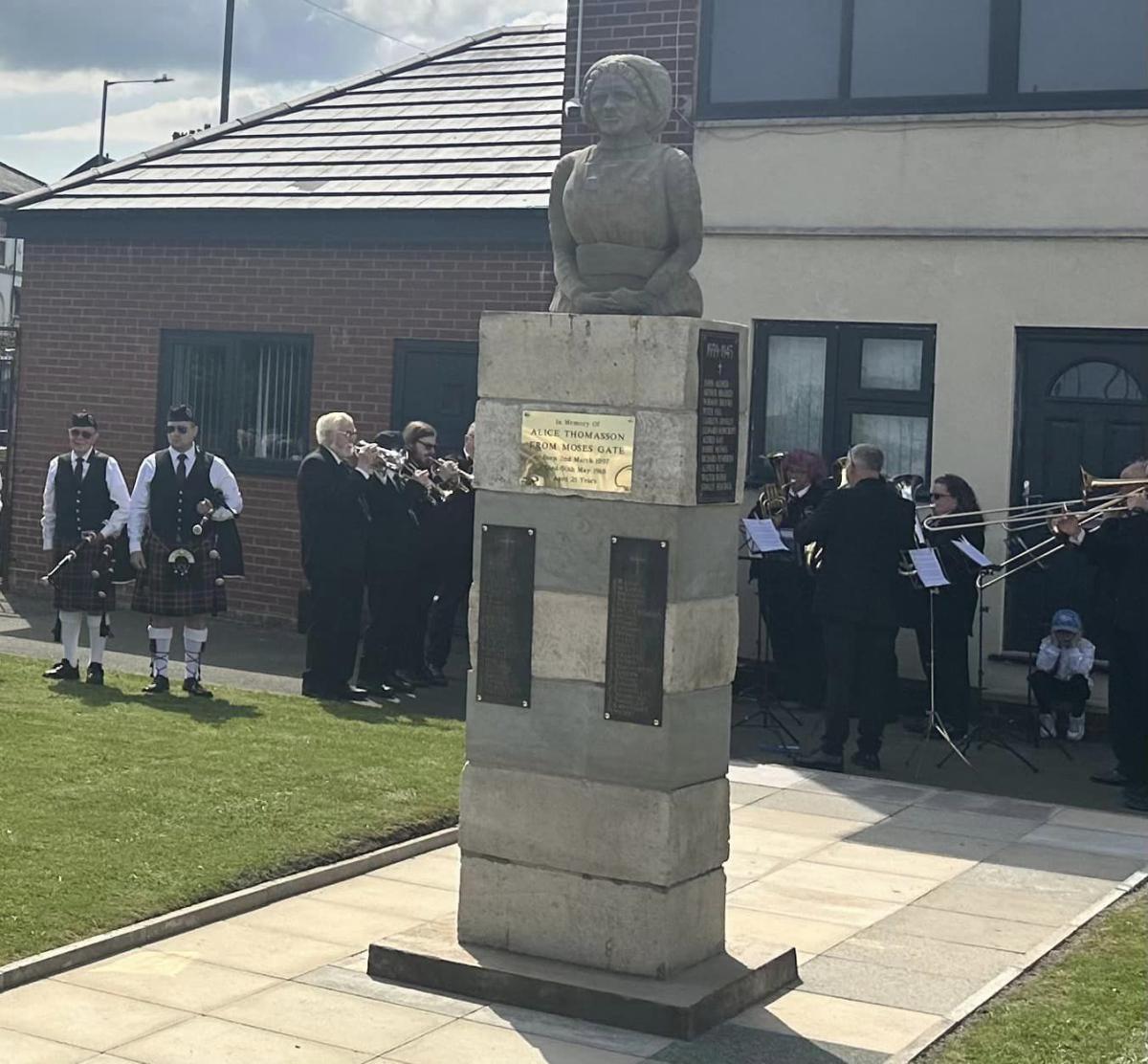
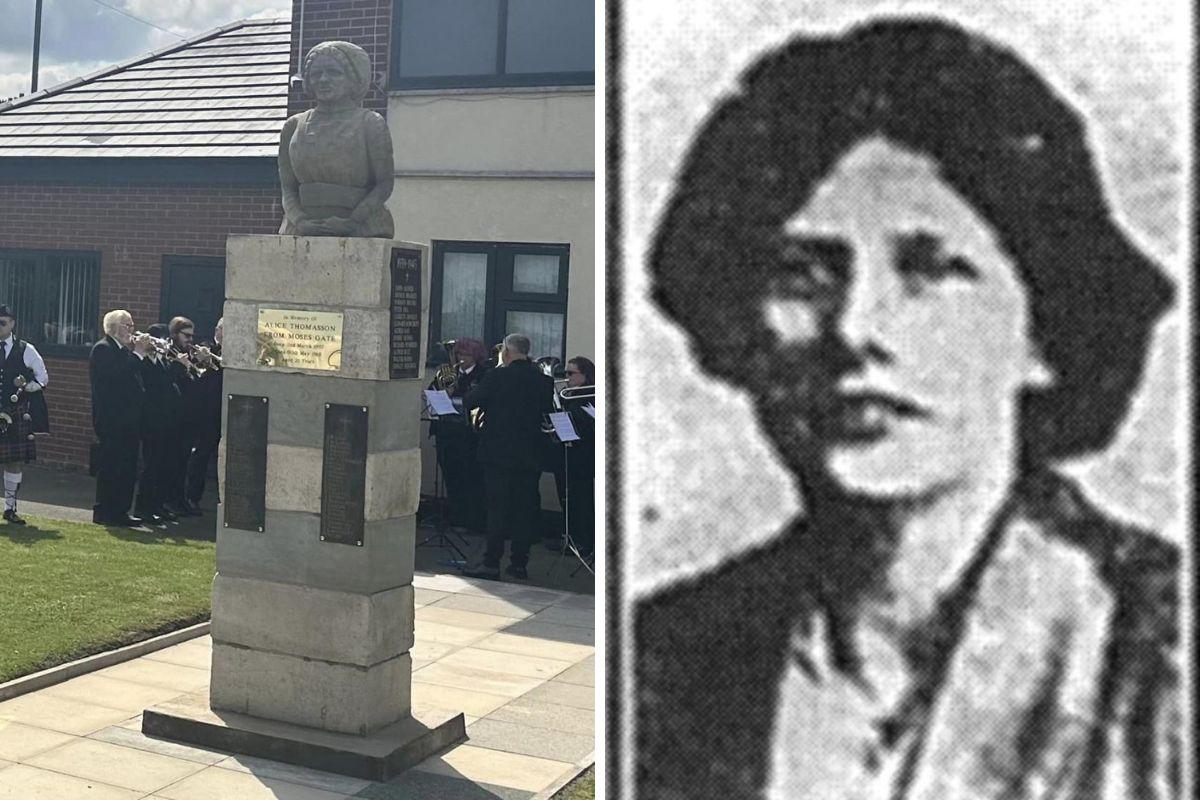
Alice Thomasson
The only Bolton woman to die on active service in the First World War, Alice Thomasson (1897 – 1918) is remembered to this day at Moses Gate.
The former mill worker enlisted in the Queen Mary's Army Auxiliary Corps and had only been on the front for a matter of days when her hospital was torpedoed as she treated the wounded.

She was one of 57,000 women who served between January 1917 and November 1918.

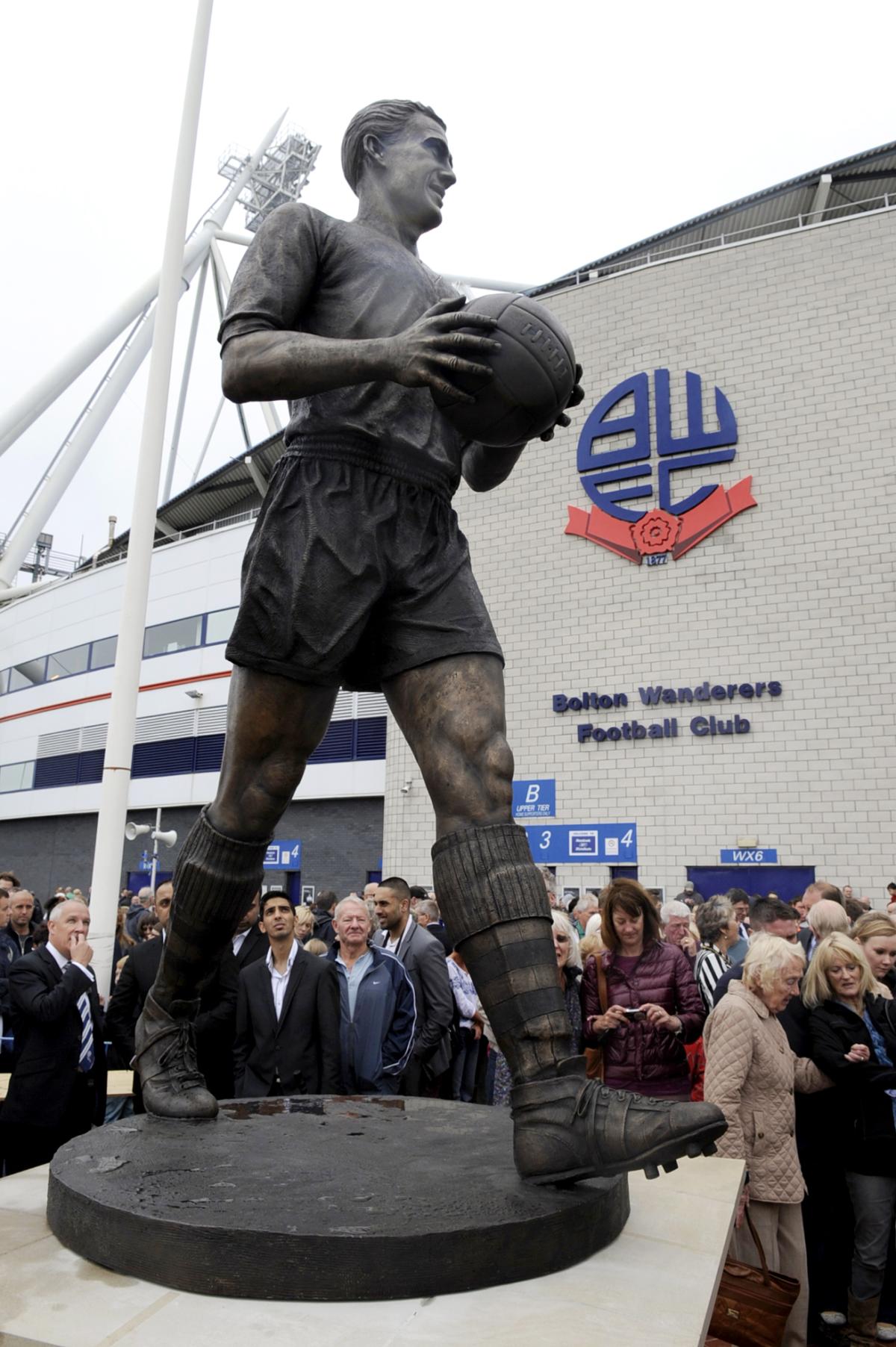
Nat Lofthouse
Wanderers legend Nat Lofthouse (1925 – 2011) needs no introduction amongst football fans of any stripe.
Having spent his entire career with the Whites his statue now stands outside what is now known as the Toughsheet Community Stadium just opposite Middlebrook.
His most famous moment, scoring the winning goal in Wanderers’ triumphant FA Cup run in 1958 has yet to be bettered by any latter-day player.

Fred Dibnah
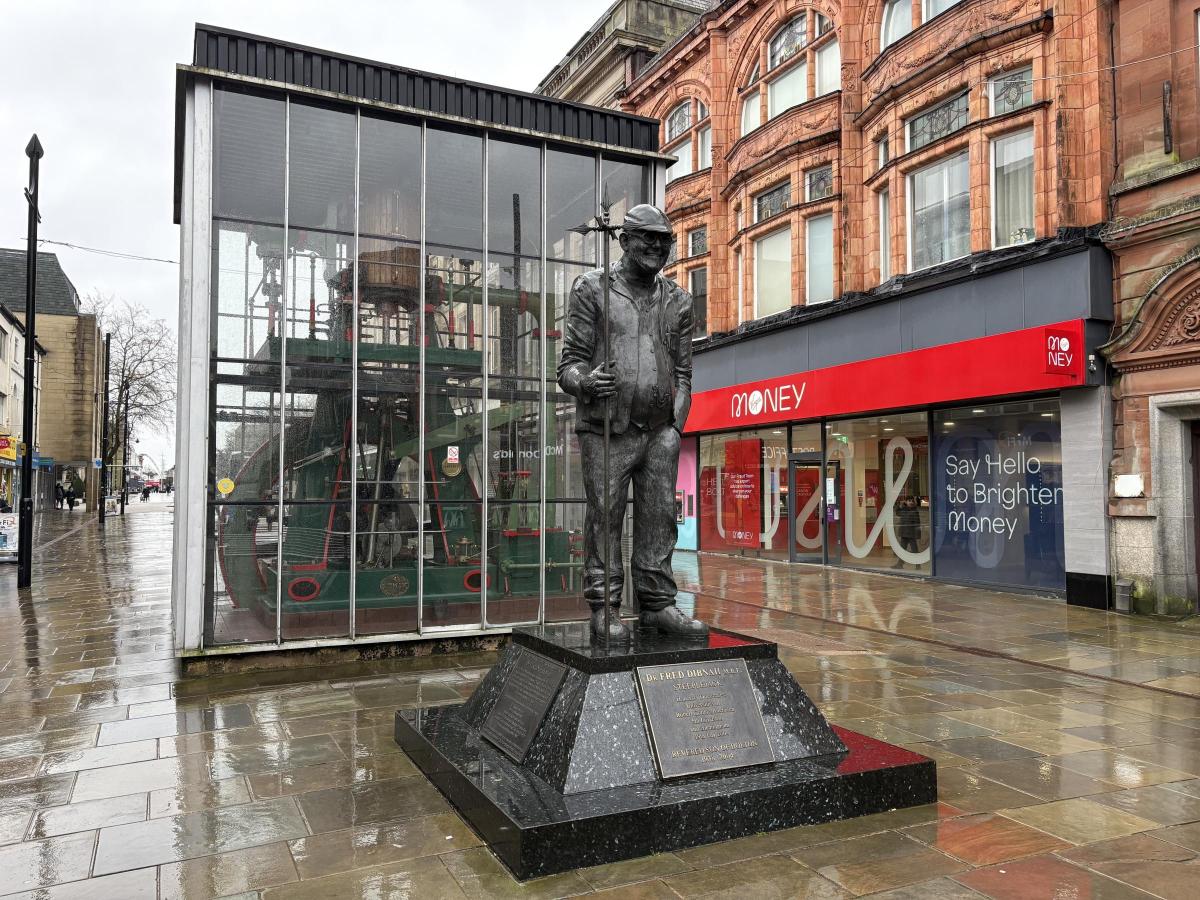
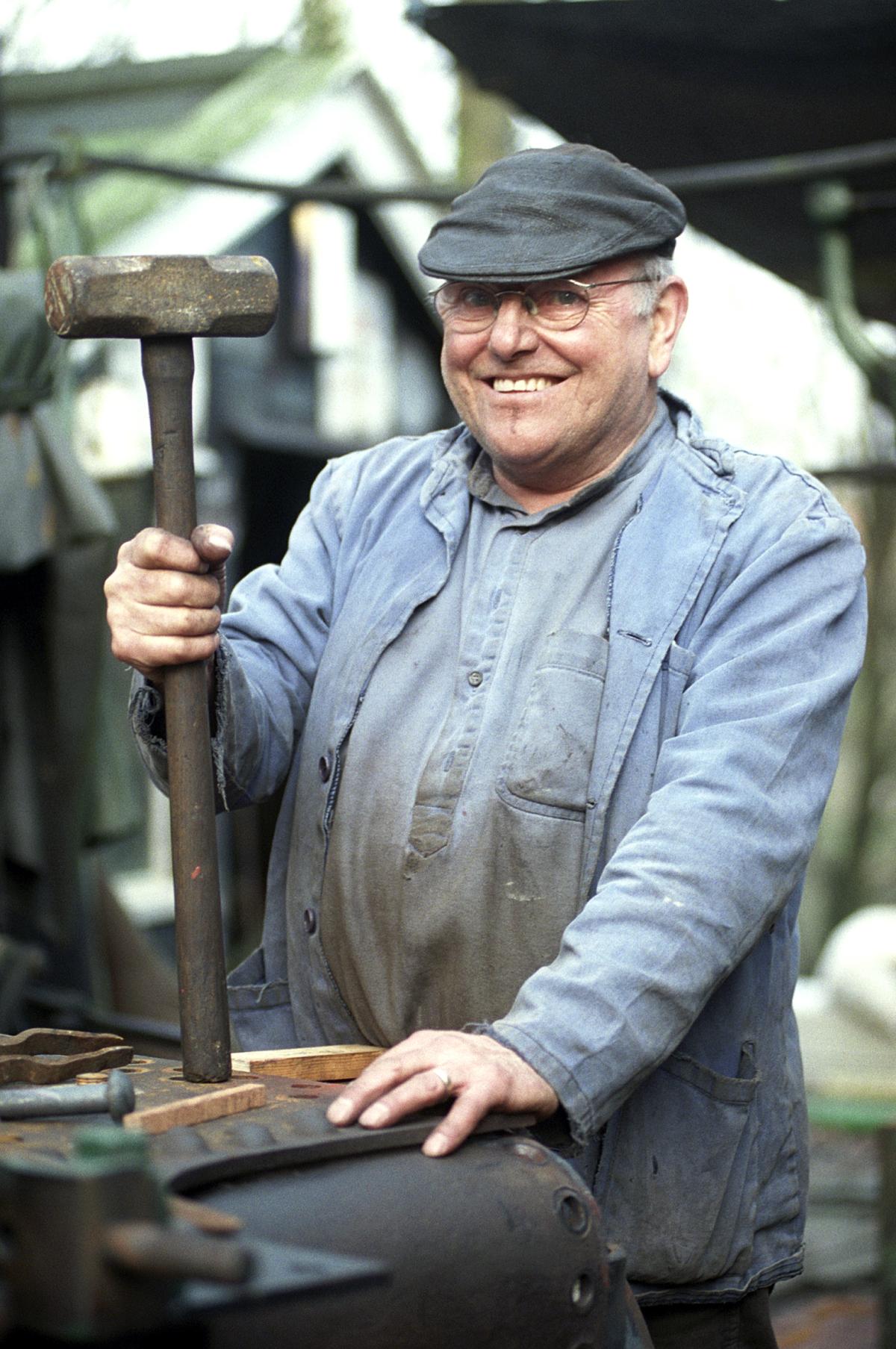
One of Bolton’s best loved sons, Fred Dibnah (1938 – 2004) still stands proudly in statue form right in front of the steam engine monument on Oxford Street.
Generations of viewers will remember his unbridled enthusiasm for his hometown’s industrial heritage.
Though he is best remembered for felling as many as 90 chimneys in his lifetime, he claimed it was in fact his least favourite task.


Share