



Behind an unassuming stretch of road on the edge of Haslingden stands one of Lancashire’s most remarkable survivors, a place where the roar of the cotton industry has never quite faded.
This weekend, the vast Edwardian engine house at Grane Mill will once again spring to life as visitors step inside what many heritage enthusiasts regard as one of the North West’s best-kept secrets.
The historic mill complex, tucked away off Laneside Road, will host a major photographic exhibition by Mike Kelly as part of the Rossendale Art Trail.
It comes alongside working steam displays, vintage vehicles and family activities.
'There is a satisfaction in bringing the heritage back to life'

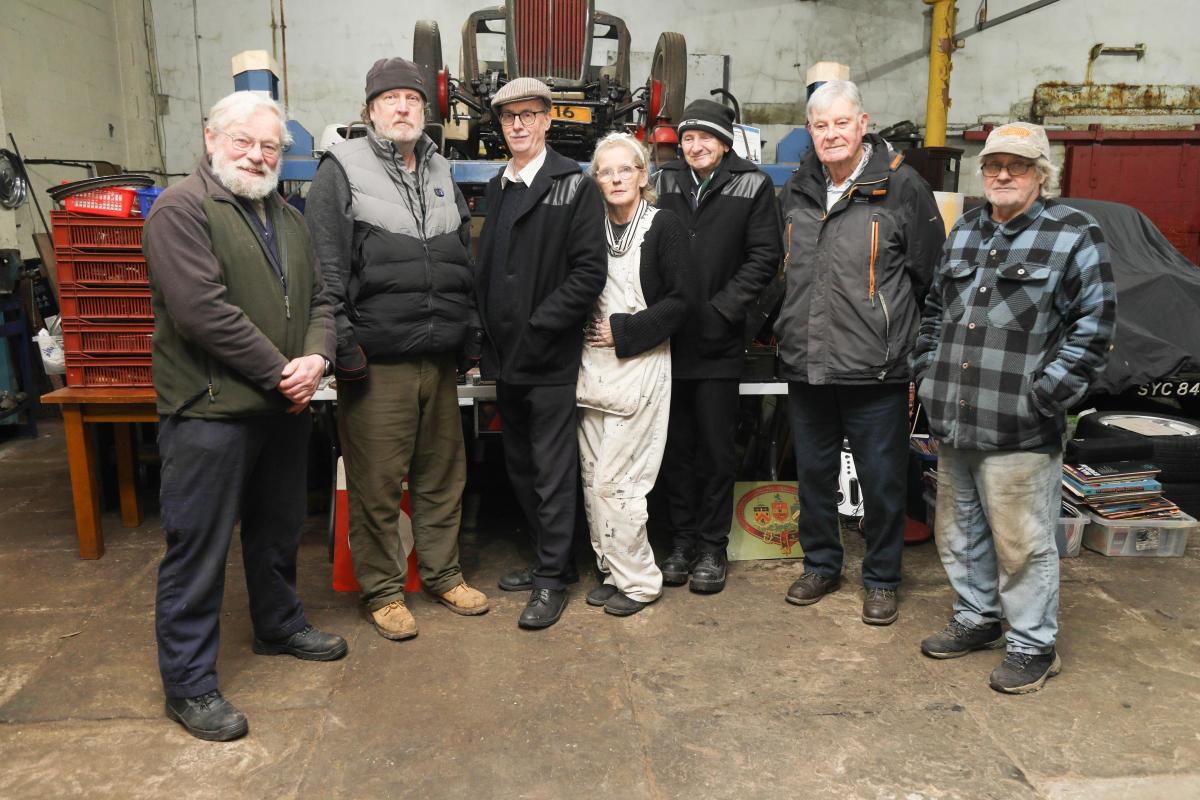
Anthony Pilling, chairman of the museum trust, said preserving the mill had become a labour of love for volunteers.
He said: “There is a satisfaction in bringing the heritage back to life.
“My family used to make power looms and I have one from the 1820s, so we are just getting ourselves set up for our events.”
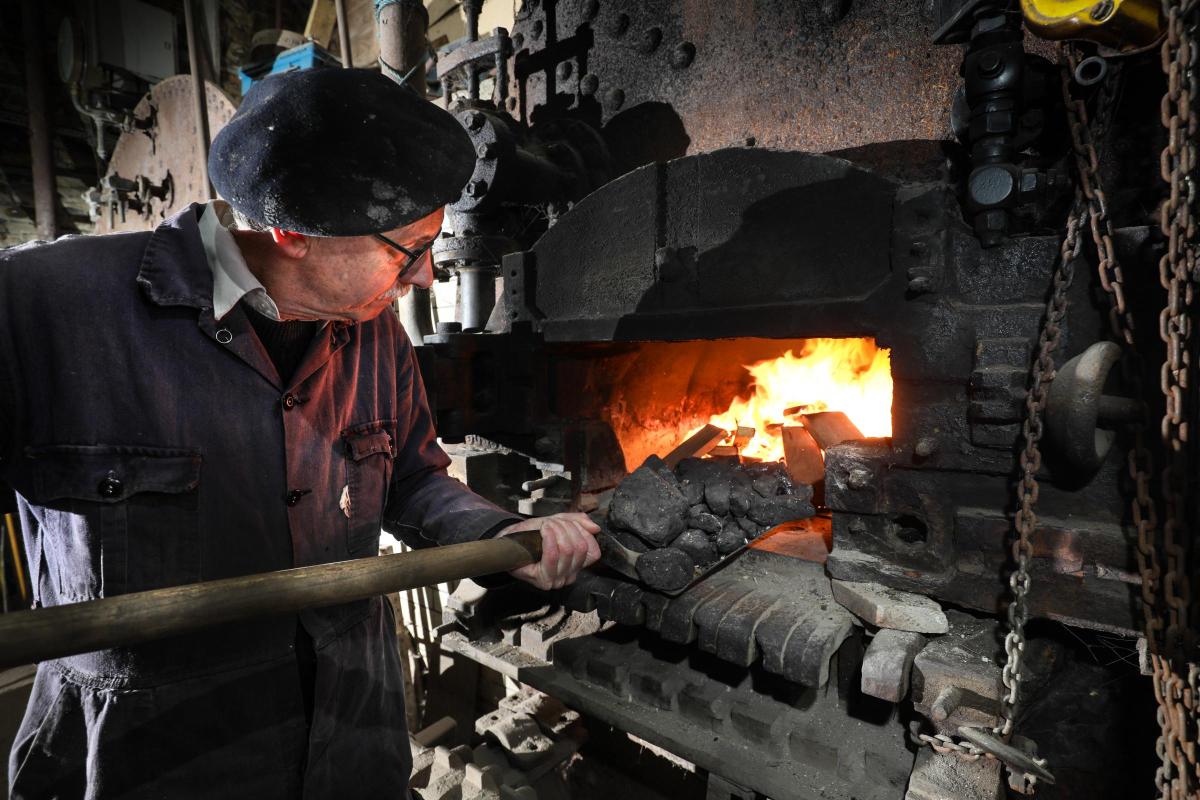
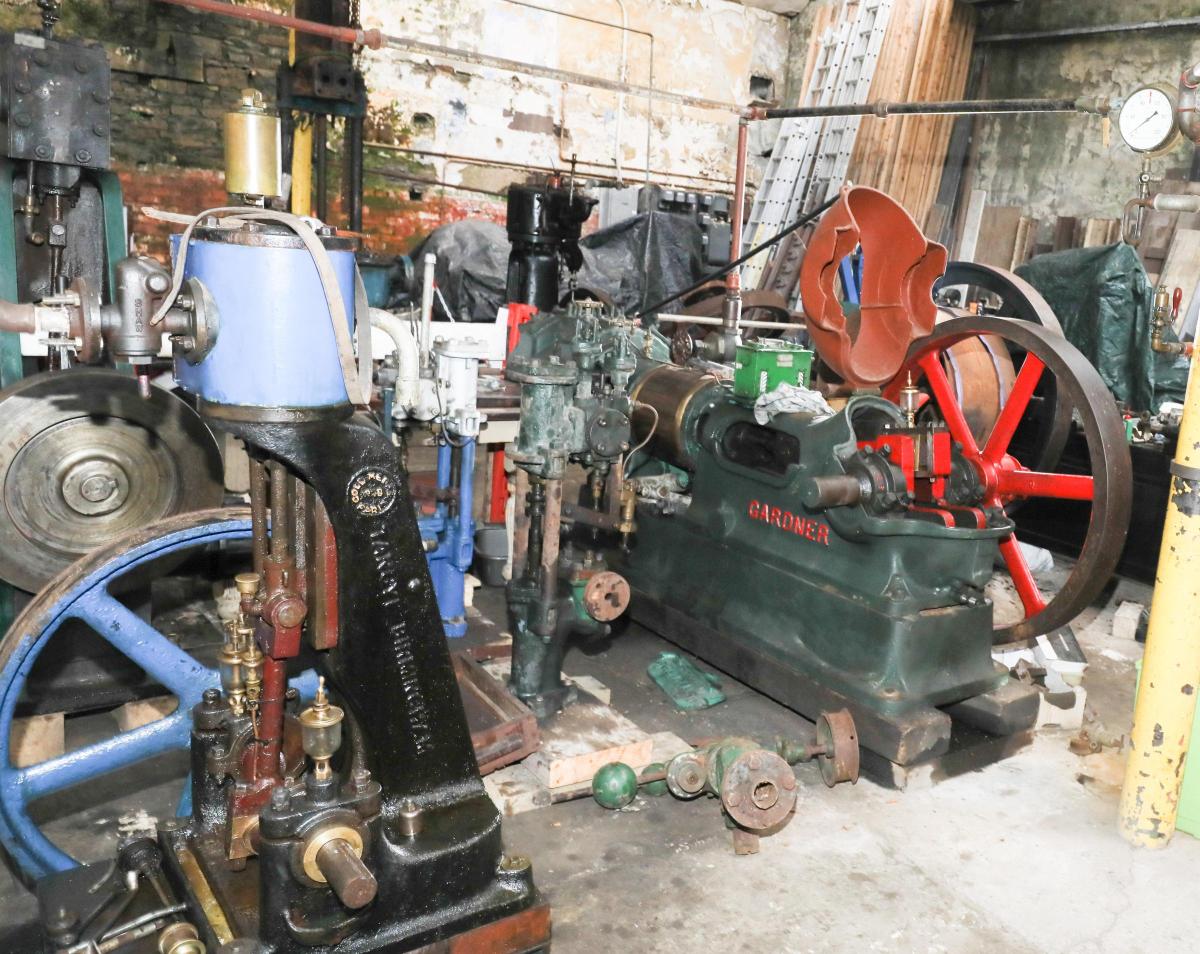
But for many visitors, the real star attraction is the extraordinary machinery still sitting at the heart of the building.

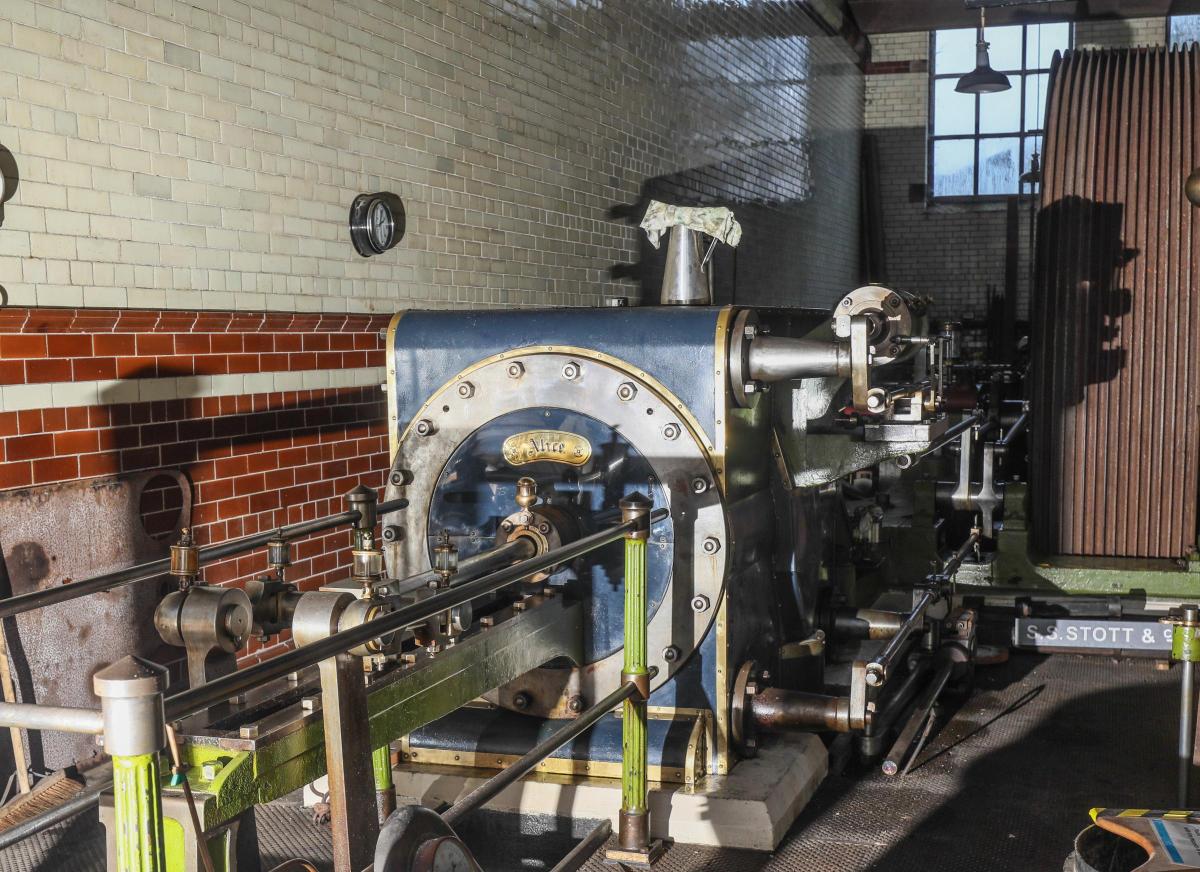
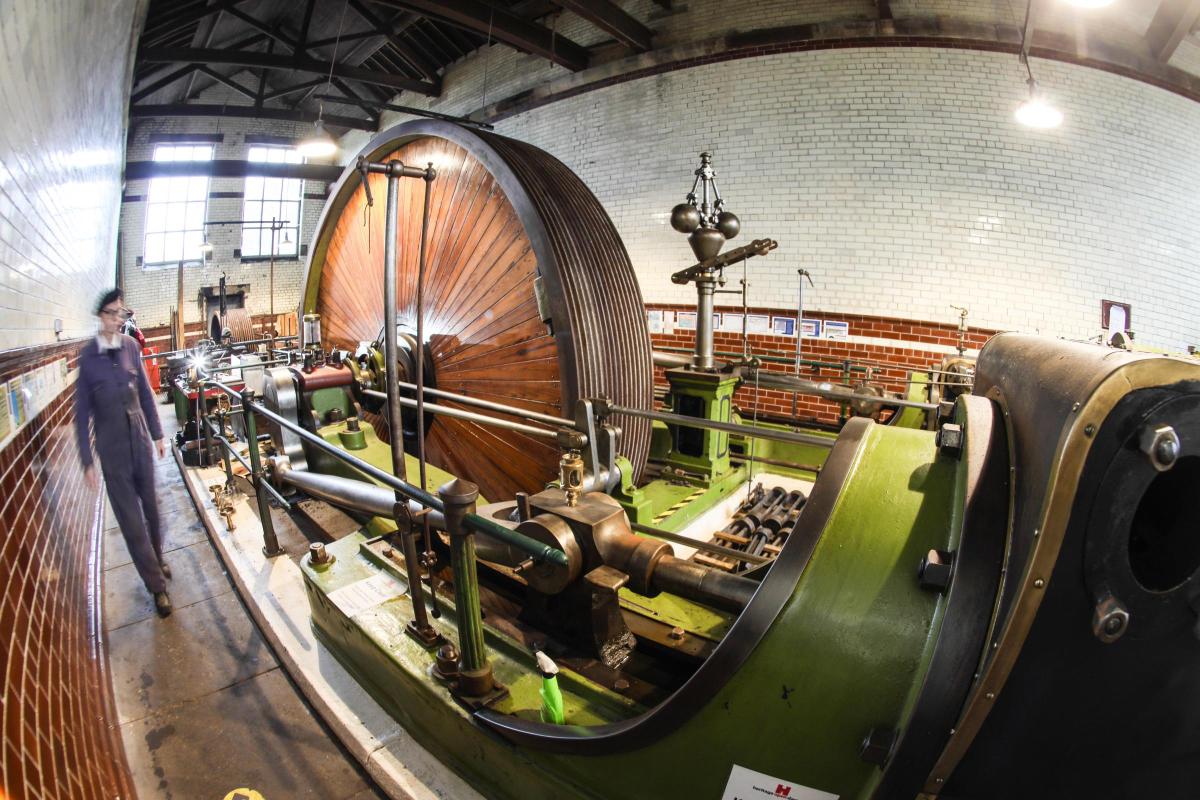
A colossal 500-horsepower steam engine that once powered 1,107 weaving looms across the mill floor.
Standing inside the engine house feels less like entering a museum and more like walking into a preserved moment of Lancashire history.
The giant cross-compound engine dominates the room with immense flywheels, polished metalwork and towering cylinders, all remarkably intact more than a century after they were installed.
In a county once filled with steam-powered weaving mills, Grane Mill has become something exceptionally rare.
'Rarer than a medieval church'

While thousands of Lancashire mills disappeared during the collapse of the cotton industry in the second half of the twentieth century, Grane survived with its chimney, boilers, offices, weaving sheds and engine house largely untouched.
Andy Marshall an architectural photographer based in the UK described the site as rarer than a medieval church because so few complete weaving mills remain anywhere in Britain.
Built between 1906 and 1907 for the Grane Manufacturing Company, the site represented the cutting edge of industrial technology in Edwardian Lancashire.
Its engine, built by Haslingden firm S. S. Stott almost directly across the road, drove ropes and overhead shafts throughout the weaving sheds while also generating electricity for lighting.

At its wartime peak, more than 340 people worked there producing cloth shipped around the world.
Today, visitors can still wander through the original boardrooms and offices, explore the surviving weaving sheds beneath their distinctive sawtooth northlight roofs, and stand beside the enormous Lancashire boilers that once fed the engine with steam.
The mill’s 180-foot chimney, still bearing the word “GRANE” in brickwork high above the valley, remains one of Rossendale’s most striking industrial landmarks.
Anniversary of the 1826 Weavers' Uprising
The weekend event also commemorates the bicentenary of the 1826 Weavers’ Uprising - a pivotal moment in Lancashire’s industrial history.
The uprising was when handloom weavers protested against poverty, mechanisation and the changing textile trade.

A new exhibition space linked to the bicentenary has been created at the mill, helping connect the story of the handloom era with the rise of the giant steam-powered weaving factories that followed.
Alongside Mike Kelly’s photography exhibition, visitors this weekend will be able to see smaller steam engines operating, browse displays of vintage vehicles, and enjoy home-made locally sourced refreshments.
There will also be activities for children throughout the two-day opening.
Anthony added: “It is a photographic exhibition in connection with the Rossendale Art Trail. It is different spots all the way to Bacup featuring various sites.”
Grane Engineering Museum will be open on Saturday, May 30 and Sunday, May 31 from 11am until 4pm. Entry is free.
The museum is at Grane Mill, Laneside Road, Haslingden, BB4 5PP.


Share