


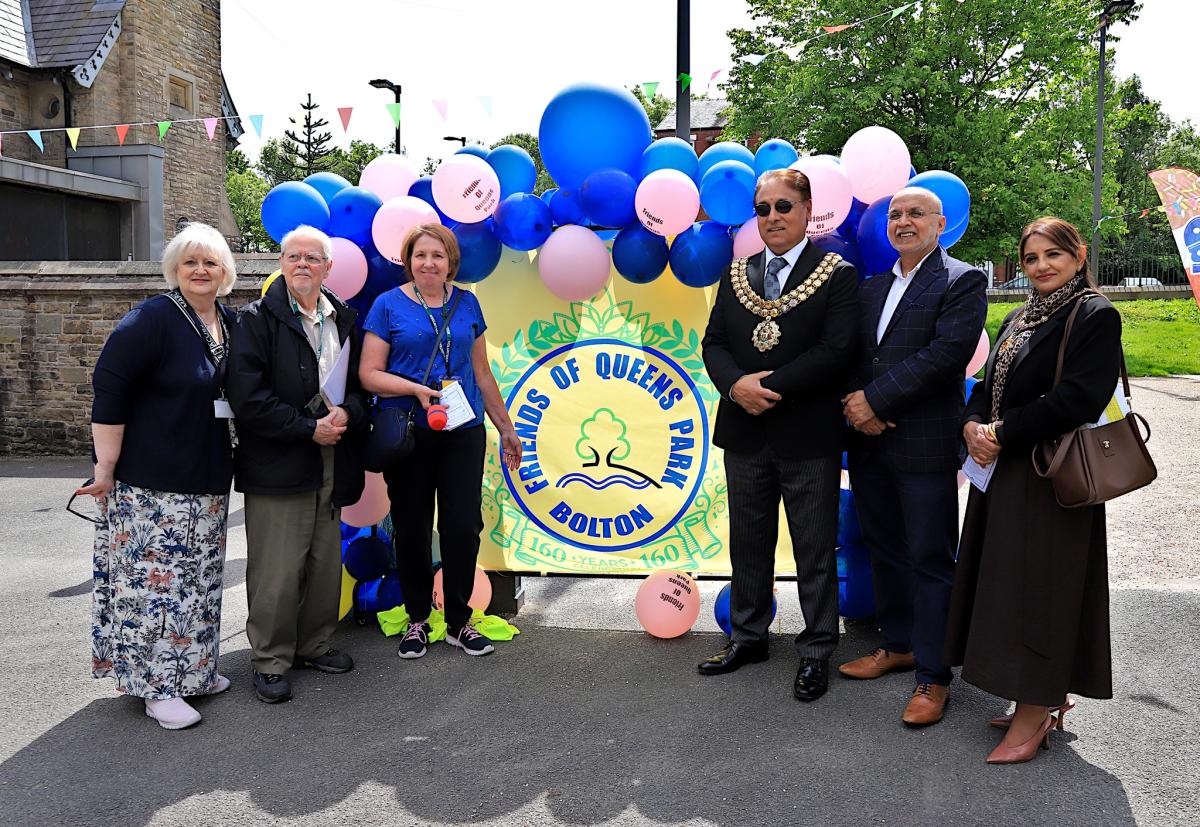
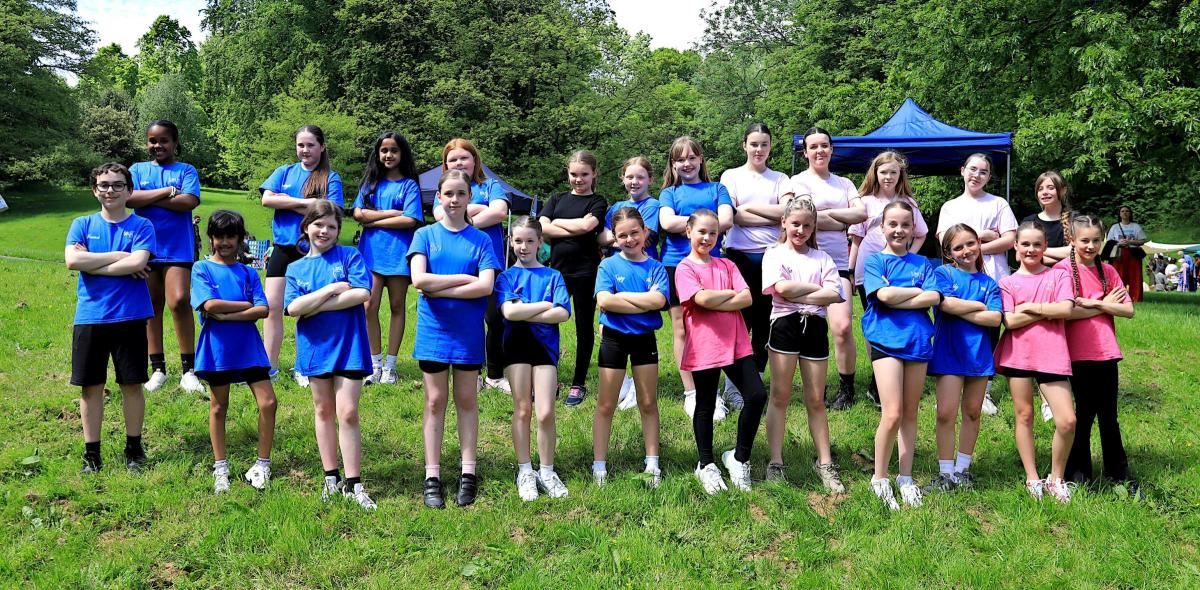

Queen's Park recently celebrated its 160th anniversary with a big summery birthday bash.
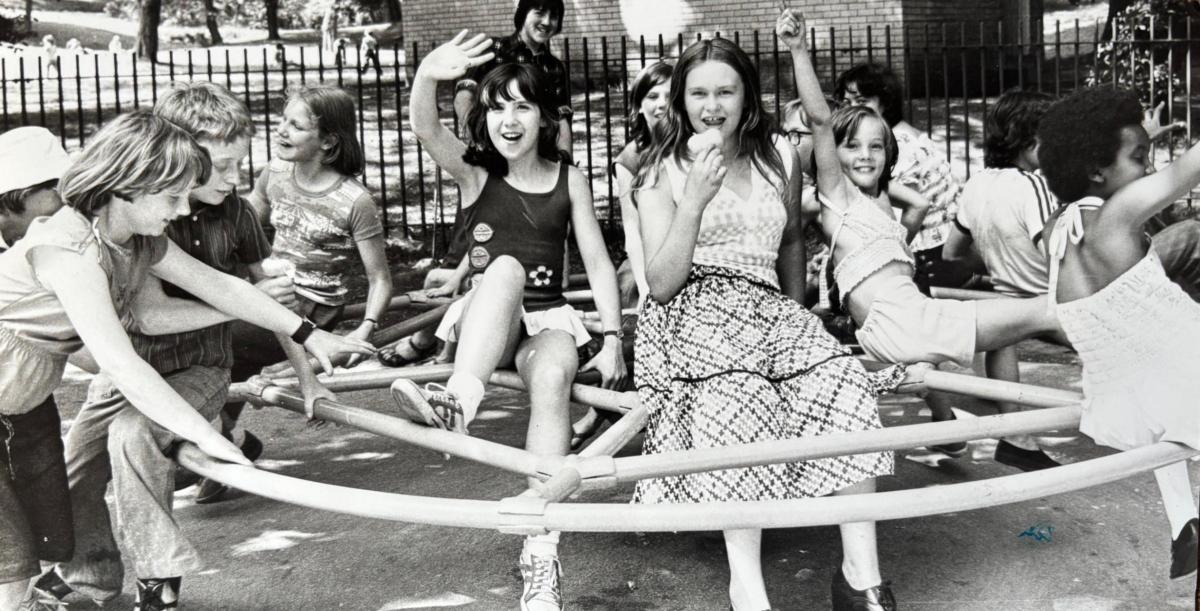
Children were playing, eating ice cream on the grass; parents were sat back on deck chairs, relaxing to the sounds of the Bolton Brass Band; there were flowers, games, and stalls in bright abundance.
But its successful present belies a more troubled past. The park Boltonians know and love today was in part the creation of a major, £4.3m renovation project completed in 2012 using money from the Heritage Lottery Fund. Bolton Council then put up another £3m of its own money to fund the restoration works.

The park had been in a sorry state up to this point. The lake had not been dredged since the 1930s, several historic pavilions and statues needed restoring, steps needed cleaning, rails needed installing. The park still contained glimpses of its former Victorian grandeur, but they were difficult to see through the decades of grime.
The nearly £7m was well spent. The iconic Dobson Bridge was in such a state it had to be entirely dismantled and put back together again from scratch. A fountain was carved entirely anew for the project, replacing one that had been removed over 50 years ago. By the end, it was more a rebirth than a renovation.

But what was the park that was being given a new lease of life? Where did it come from, and how had it fallen into such disrepair?
Originally named Bolton Park, Queen's Park was opened in 1866 by The Earl of Bradford and given its current name in 1887 in honour of Queen Victoria’s Golden Jubilee.
The roughly 22-acre park was designed by architect and landscaper William Henderson, from Birkenhead. The park's original buildings were designed by a more local architect - George Woodhouse, now perhaps more famous for designing Bolton's iconic Town Hall.

It is one of four “cotton famine” parks in the North West constructed by unemployed Lancashire cotton workers during the export blockades of the American Civil War. To provide relief to the benighted populace, the government granted a series of low-interest loans to local councils on the promise that they would be used for civil improvement projects. This provided the unemployed men with work.
The day of the park's opening was of such momentous significance for the local population that many were given the day off work to attend. The ceremony was handled by the Earl of Bradford, whose family had been one of the park's landowners.
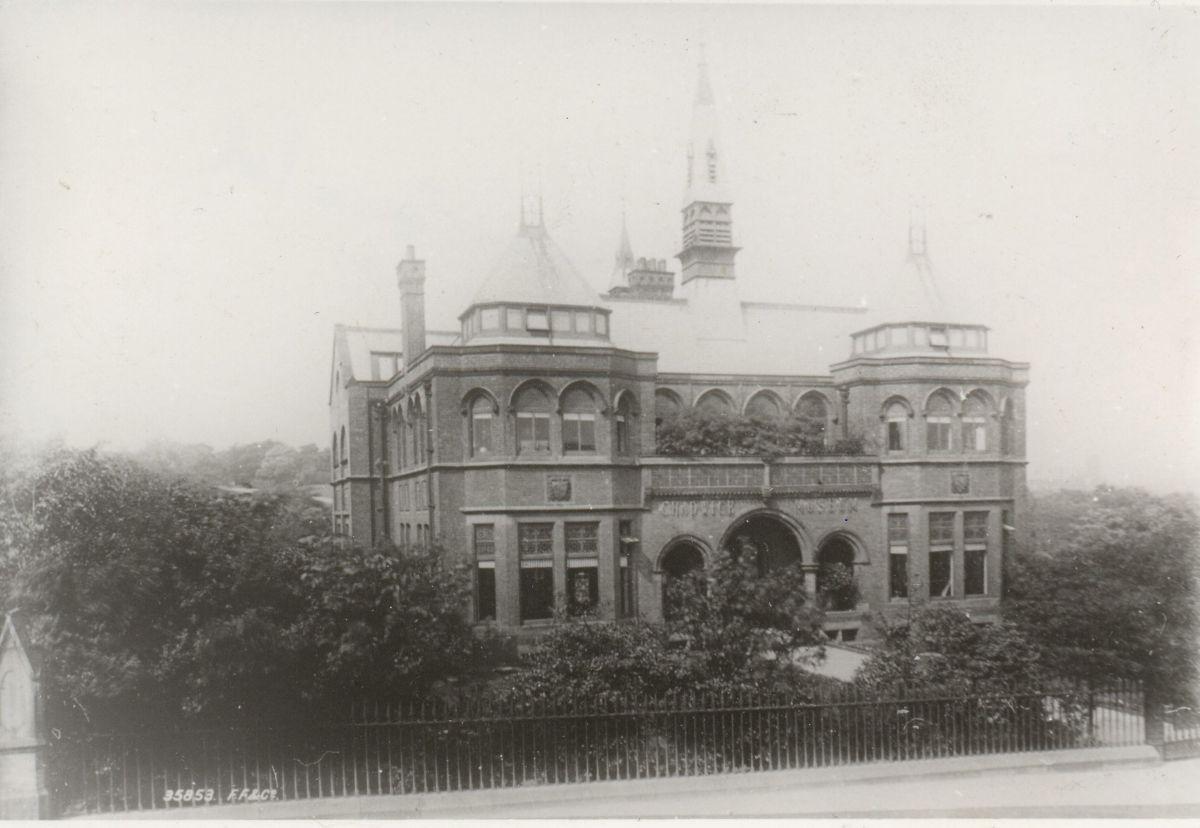
When wealthy Bolton doctor Samuel Chadwick died in 1876, he left £5,000 to Bolton on the stipulation that it went to the creation of a free public building. This money went to the opening of the Chadwick Museum, which existed within the grounds of Queen's Park itself until its demolition in the 1950s.

Free to the public, the museum featured a bottom floor of rocks and minerals, a ground floor showcasing a collection of rare zoological displays, and a first floor devoted to anthropology, Egyptology, and a room of curiosities. While, unfortunately, the Museum was not revived during the 2012 renovations, Samuel Chadwick still lives on in statue form outside the front of Bolton Town Hall.
The park didn't take on its current name until 1897, with the new name give in honour of Queen Victoria's diamond jubilee. This also saw the erection of a new and rather controversial statue - twice UK prime minister Benjamin Disraeli.
This wasn't due to any quibbles around Disraeli's personal or professional qualities - both of which everybody knew to be beyond reproach. The issue, as people saw it, was that Disraeli had absolutely no connection to Bolton, the impetus behind the move coming from the town's conservative majority, as a nod to a beloved elder Tory statesman. The closest Disraeli had ever been to Bolton was in 1840, when he visited Barrow Bridge to research scenes for his novel Coningsby.

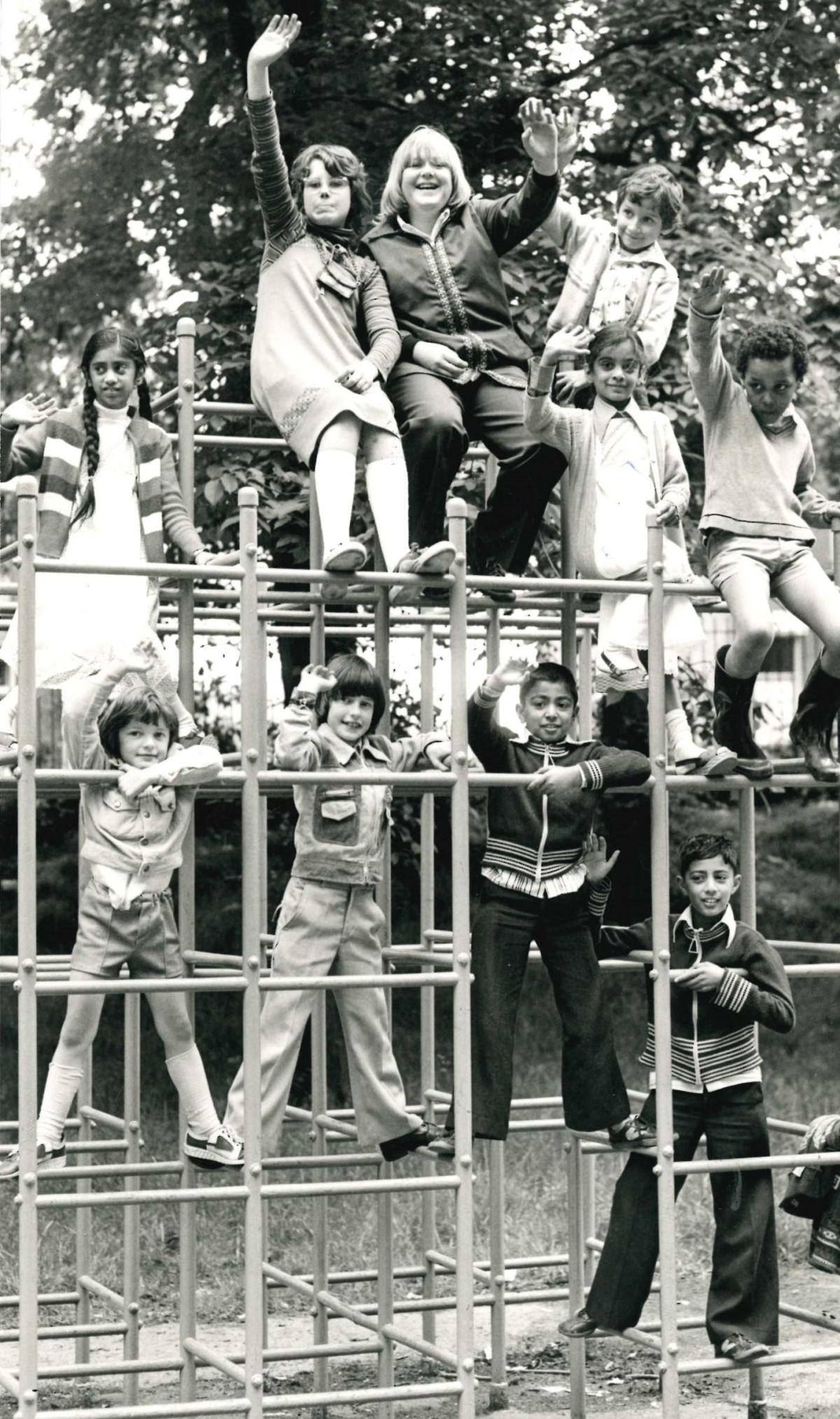
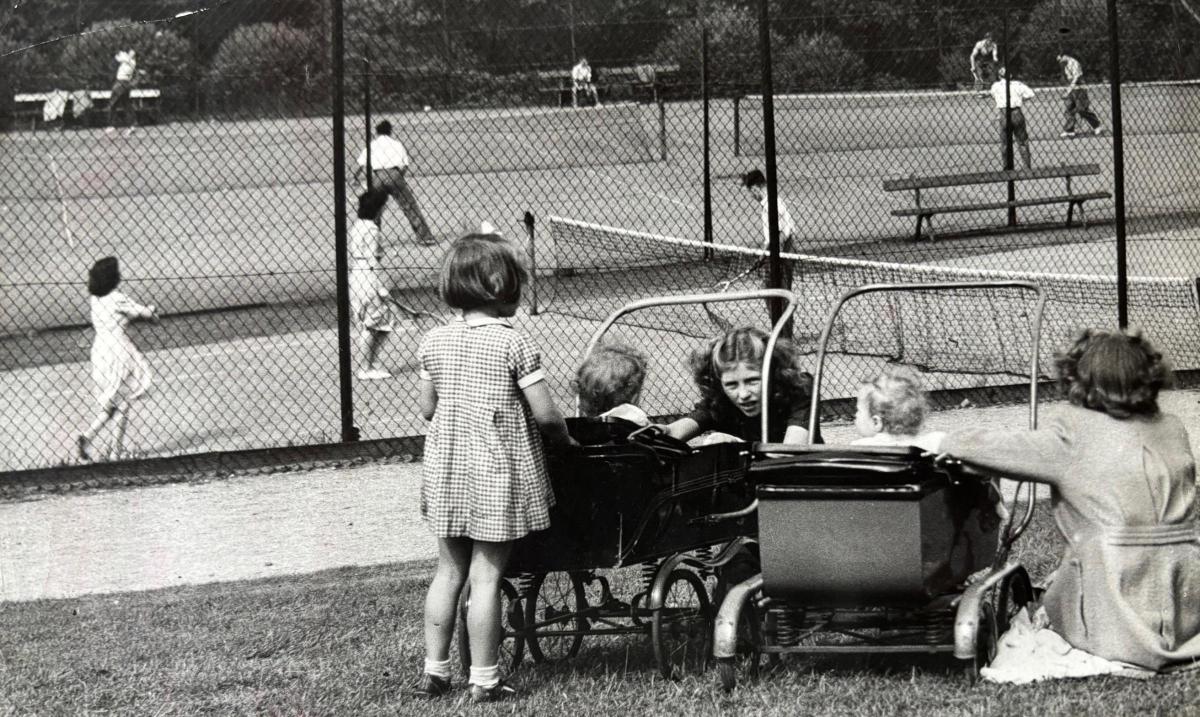
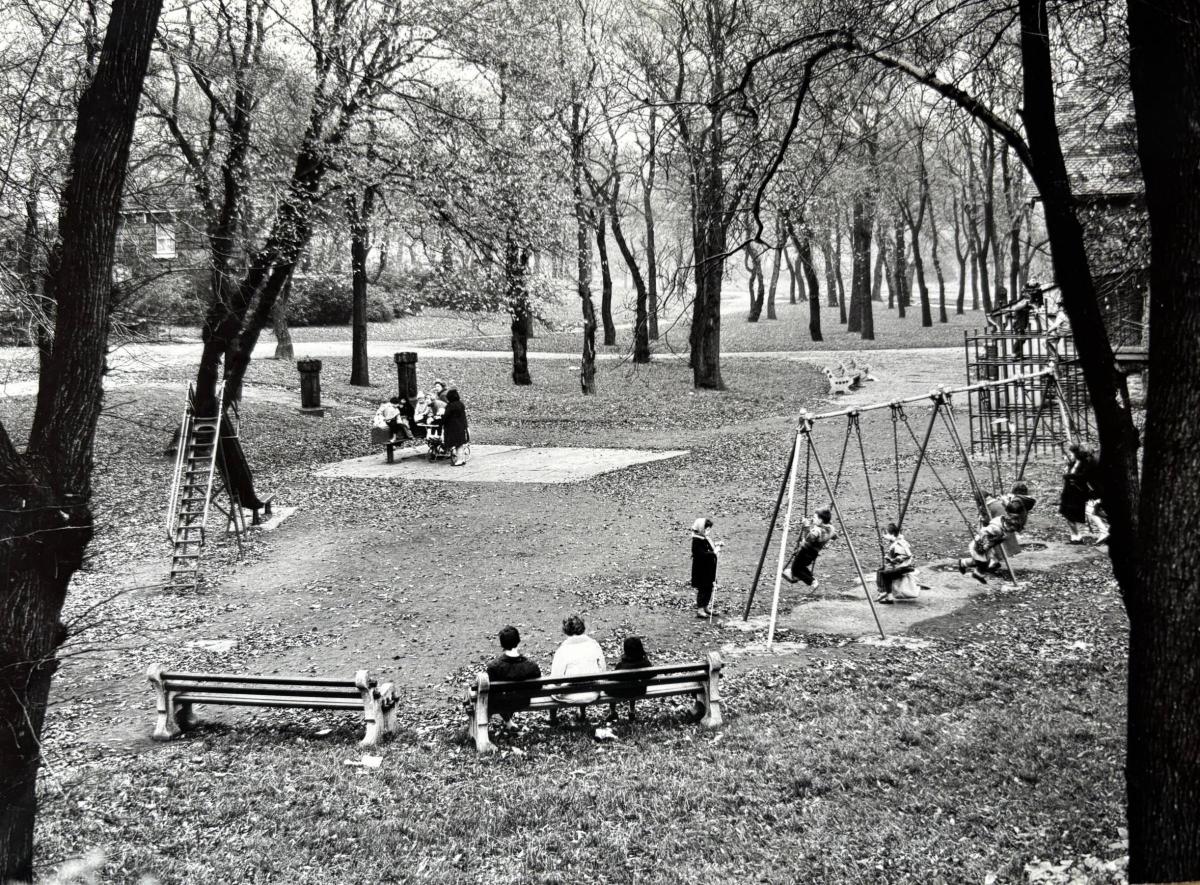
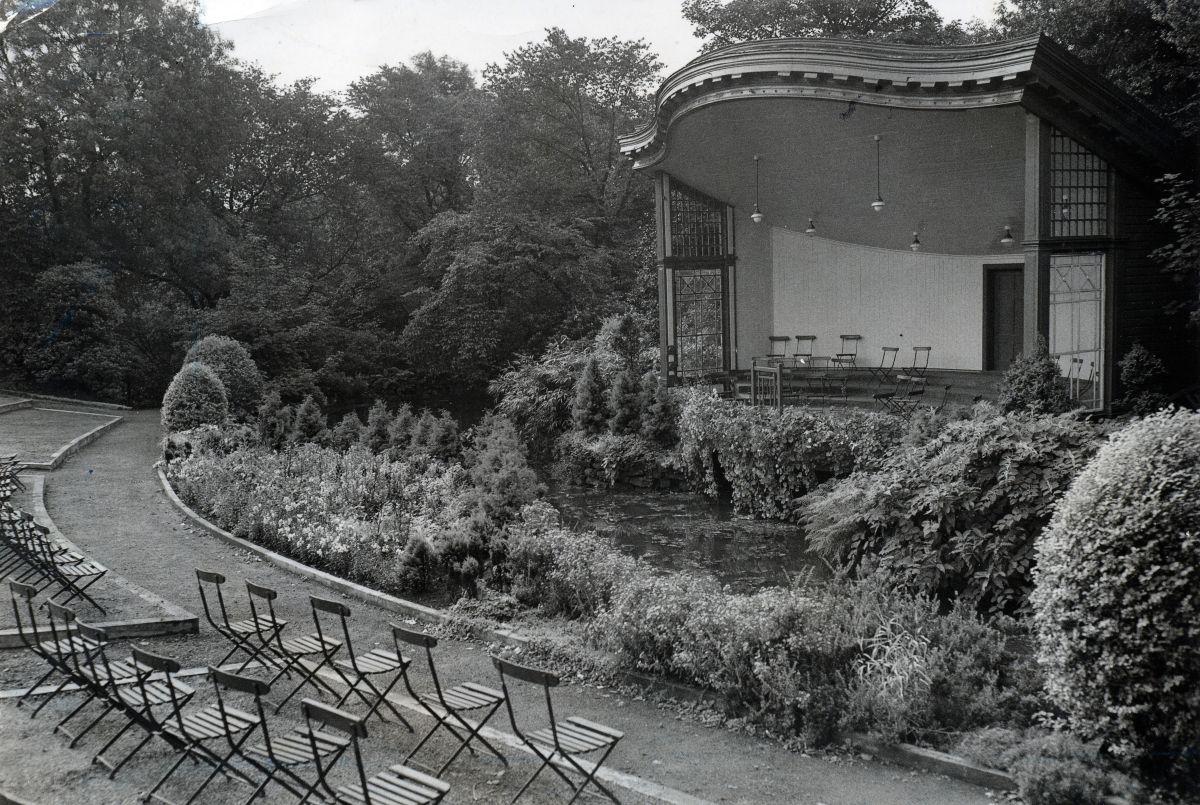
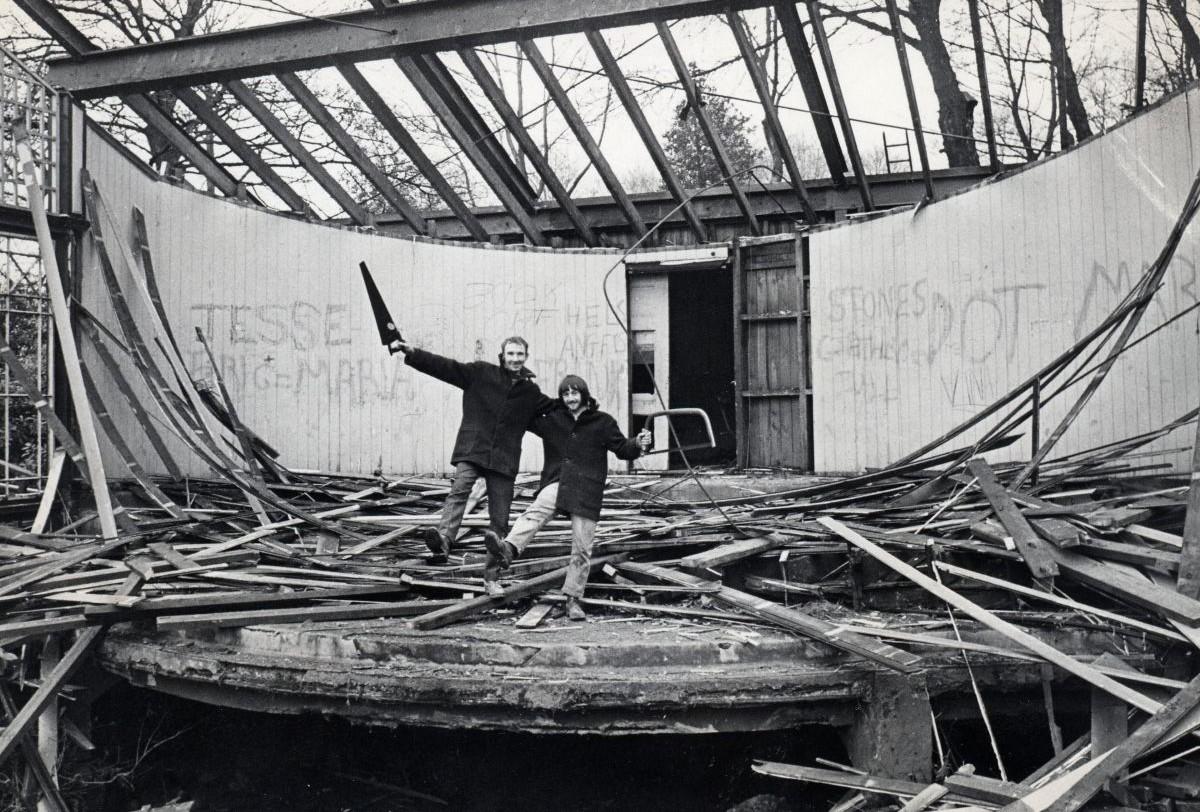
But by the mid-20th century, the park began to lose some of its lustre. The Chadwick Museum went in 1957, the refreshments pavilion was demolished in 1958, and the bandstand near the sunken garden - formerly very popular - also departed too near the end of this decade. Not even a live performance from Freddie Mercury - performing with his pre-Queen band Ibex - in 1969 could slow the decline.
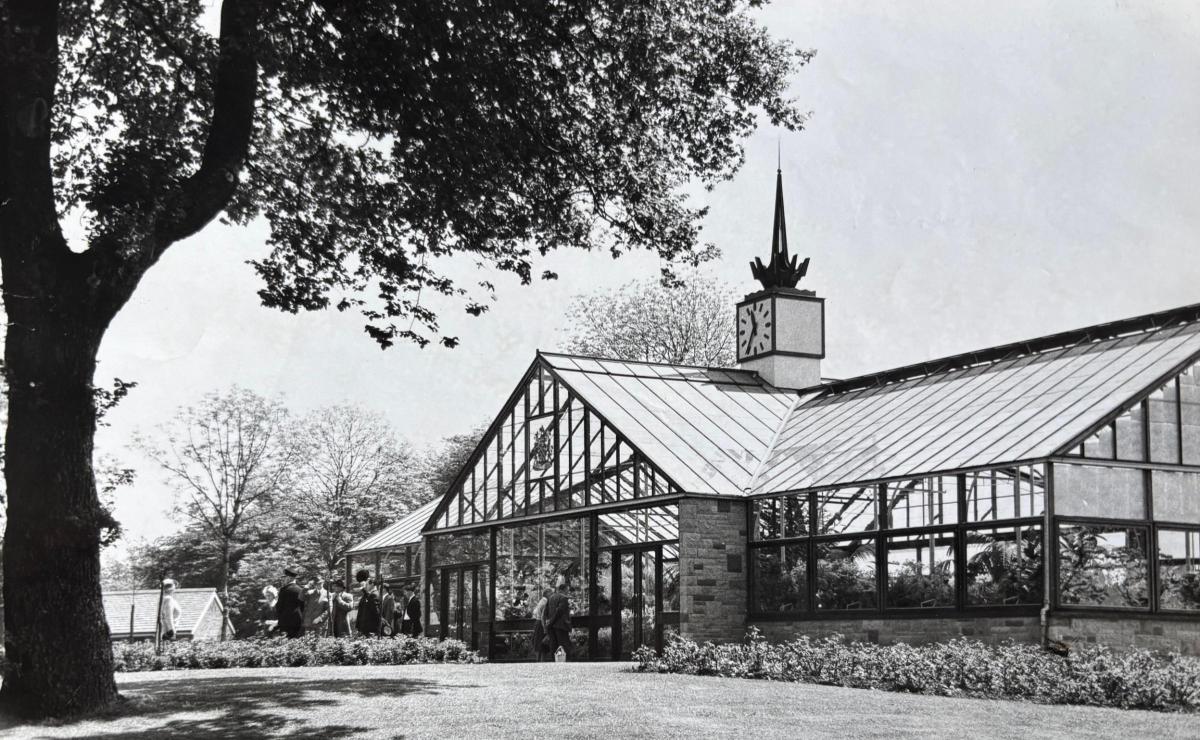
It wasn't sudden, but by the 90s, it was clear the park's best years were behind it. The paddling pool had dried up and the council funding with it. The conservatory - such a central feature of the park - was destroyed by arsonists in 1990 and never replaced. The task of renovating the whole park at once seemed monumental. More likely, it seemed, would it face the fate of many other Victorian Parks throughout the country - a gradual fading away.

But - as you already know - this isn't what happened. With the generous funding from National Heritage, and the extremely hard work of people at the Friends of Queen's Park group, and members of the council, contractors, residents, volunteers, the park is back looking something like its former self.
And what's more, the park has managed to retain its character. Disraeli is still there, keeping his silent lookout. The grade II listed entrance lodge still stands, though it is now a café. The plans of the gardens - for the most part - still match the dimensions laid out by William Henderson in distant 1866. The history is all still there, if you know where to look for it, but the park itself is lively and modern.
And with so many groups dedicated to its upkeep, who's to say it won't look even better 160 years from now?


Share